


The Cultural and Creative Industries:
A Key Sector Globally, in Europe, and Africa
Cultural and Creative Industries (CCIs) have become one of the major drivers of the global economy. They encompass diverse sectors such as audiovisual, performing arts, music, publishing, visual arts, fashion, advertising, and video games. Their economic weight and job creation capacity are now widely recognized, prompting policymakers to support their development, especially in urban areas where activity is concentrated.
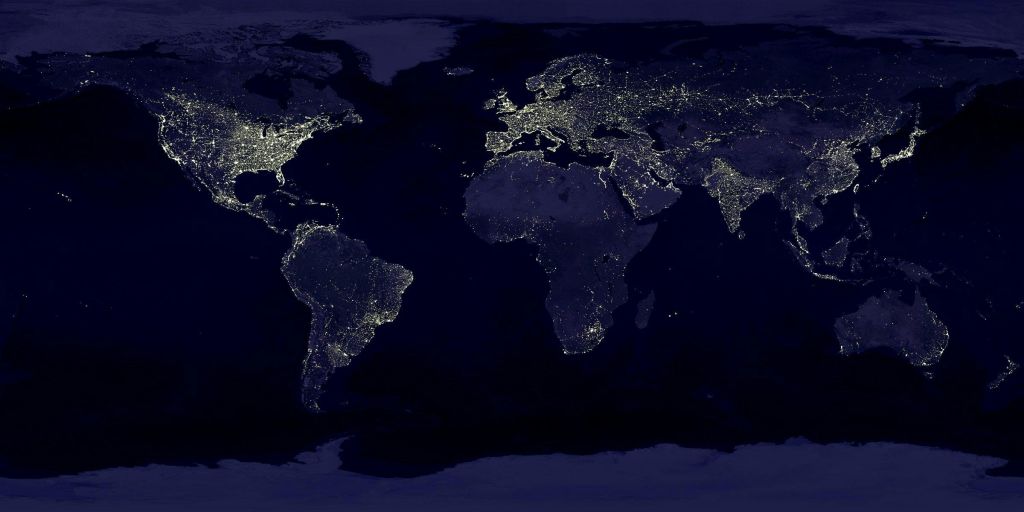
Global Weight of CCIs
Worldwide, the CCI market is estimated at nearly $2.5 trillion in 2025, representing about 3% of global GDP. This sector employs nearly 30 million people, accounting for approximately 6% of global employment. CCIs thus surpass traditional sectors like automotive or telecommunications in terms of both job creation and revenue generation.
trillion
0 ~
of global GDP
0 %
people employed
0 M
of global employment
0 %
Europe: A Historical and Current Leader
Europe remains one of the world’s main hubs for CCIs. In 2025, it represents the second-largest market globally, with an annual turnover of €536 billion, or 4.2% of European GDP. CCIs employ over 7 million people across the continent, making it the second-largest employment sector after construction and ahead of the automotive industry.
largest market
0 nd
annual turnover
0 B
EU GDP
0 %
people employed
0 M

Africa: A Rapidly Growing Market
Although Africa is still behind Europe and Asia, its CCIs are growing rapidly. In 2025, the African continent accounts for about 5% of the global market, generating nearly $125 billion in revenue. African CCIs currently create over 20 million jobs, with their contribution to the continent’s GDP projected to reach 4% by 2030.
of global market
0 %
in revenue
0 $B
jobs
0 M
of GDP in 2030
0 %
Some African countries stand out:
• Nigeria: 4.2 million jobs, with Nollywood representing 2% of national GDP.
• South Africa: approximately 1 million jobs.
• Democratic Republic of Congo: 1.2 million jobs.
• Despite these positive trends, Africa lags in exporting creative goods and services due to structural challenges such as limited financing, skill shortages, and weak distribution infrastructure.
• Nigeria: 4.2 million jobs, with Nollywood representing 2% of national GDP.
• South Africa: approximately 1 million jobs.
• Democratic Republic of Congo: 1.2 million jobs.
• Despite these positive trends, Africa lags in exporting creative goods and services due to structural challenges such as limited financing, skill shortages, and weak distribution infrastructure.
Cultural and Creative Industries have shown steady growth over the past decade in terms of employment, GDP share, and revenue. Policymakers, especially in urban centers, increasingly recognize the strategic importance of this sector and are actively supporting its development. While Europe remains a historic and structural leader, Africa—driven by a creative youth and digital expansion—is emerging as a rapidly growing player. Today, CCIs rank among the top economic sectors and job creators worldwide, confirming their central role in the 21st-century economy