

THE PROJECT
The Challenge: Underused Urban Spaces and Creatives Without Resources
In the heart of Brussels, thousands of square meters of public spaces remain underutilized – buildings in transition, premises awaiting reassignment, temporary wastelands. Meanwhile, emerging artists, musicians, cultural creators and social entrepreneurs critically lack access to affordable venues to develop their projects and professionalize.
This mismatch represents a double loss: spaces degrading without productive use, and creative talents struggling to emerge due to lack of accessible infrastructure and professional networks.
The Opportunity: Creative Occupation as Urban Transformation Tool
In 2009, the SPRB mandated Creative District to transform vacant spaces at Place Rogier into a creative hub. Rather than classic real estate management, Creative District developed a “creative occupation” model where creatives become co-managers of the space, combining:
- Access to affordable workspace, creation, and cultural diffusion venues
- Individualized support adapted to each project holder’s real needs
- Networking with other creatives, sector professionals, and visibility opportunities
- Progressive autonomy: creatives self-organize, co-decide, and professionalize their practice
The bet: demonstrate that a self-funded creative support model can be viable long-term, without dependence on public subsidies.
Strategic Objectives
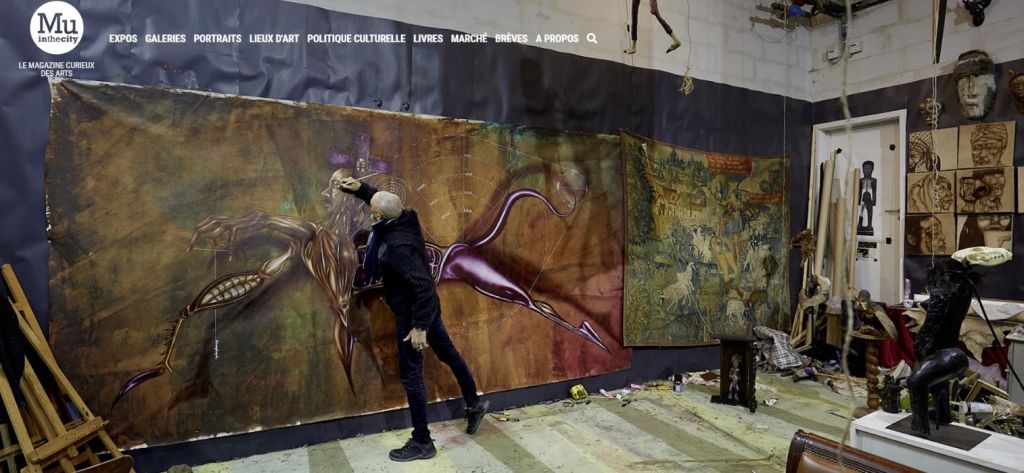
Tag Brussels @ Rogier is not a space rental project. It’s a support ecosystem where Creative District facilitates the emergence and professionalization of creatives through a pragmatic, resilient and adaptive model.
The 3,500 m² of spaces serve as material support for intangible dynamics: network creation, skills transfer, visibility opportunities, and progressive empowerment.
1. Demonstrate Viability of a Self-Funded and Resilient Model
Prove that a creative support project can function without public subsidies, through self-financing via cultural activities, occasional rentals, and user contributions – guaranteeing independence and sustainability.
Strategic value: A replicable model for other cities seeking to activate underused spaces without dedicated budget.
2. Support Empowerment and Professionalization
Offer holistic support – space + coaching + network – enabling creatives to structure their projects, acquire concrete entrepreneurial skills, and build a solid professional network.
Tailored approach: No standardized methodology imposed, but adaptation to each project holder’s specific needs (musician, visual artist, cultural entrepreneur, associative collective).
3. Create a Diverse and Vibrant Creative Ecosystem
Bring together in 12 complementary spaces (concert hall, artist workshops, exhibition spaces, co-working offices) a diversity of creative disciplines, fostering spontaneous collaborations, hybrid projects, and collective emulation.
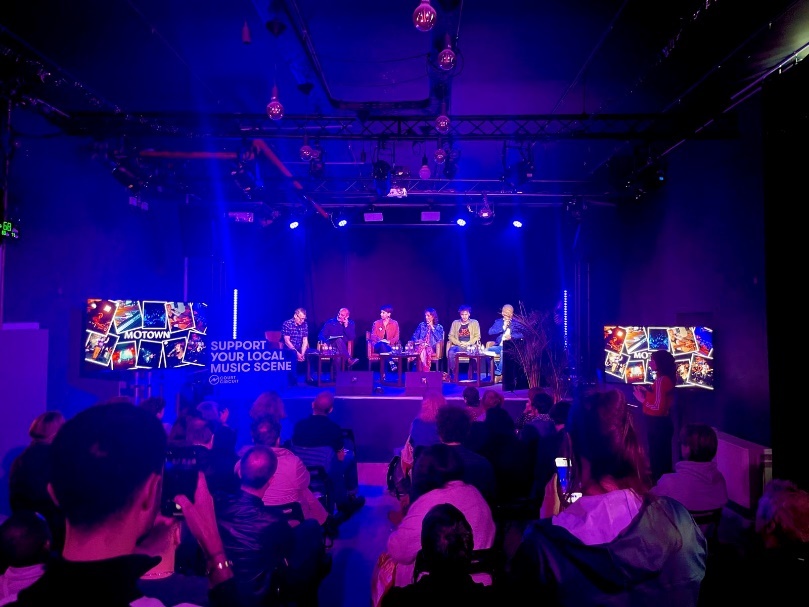
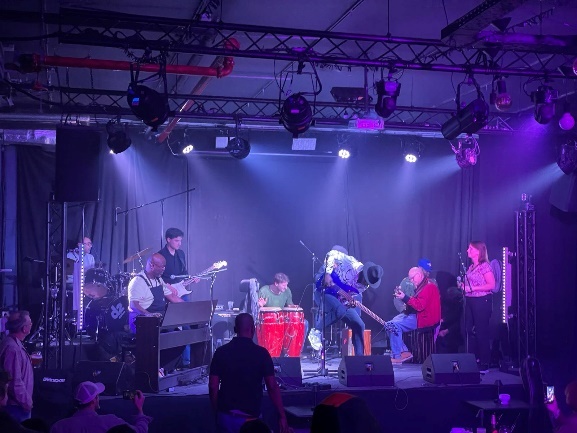
Community dynamics: mOtown.concerts (live music), uBuntuLoft (mutual aid network), Creative Events (cultural programming) – sub-communities structured around shared values and practices.
4. Serve as Springboard to Creative Entrepreneurship
Enable supported creatives to transition from amateur/emerging practice to structured professional activity, by offering visibility (public events), experience (managing real projects), and network (connections with established professionals).
Verifiable success stories: Jenny Bosengue, Thiemoko Diarra, Angelo Moustapha, Mc Ghiizmo – examples of creatives who launched their structure/career after passing through Tag Brussels.
5. Sustainably Revitalize Strategic Urban Spaces
Transform Place Rogier from a transitional space into a continuous cultural activity hub, generating urban life, attractiveness, and economic dynamism for the neighborhood – demonstrating creative occupation’s potential as transitional urbanism tool.
Territorial impact: Tag Brussels contributes to repositioning Rogier as Brussels cultural destination, attracting diverse audiences and positive media coverage.
Model Evolution Over 15 Years
2009-2012
Phase 1 : “Raw” Experimentation
Project launch with minimalist approach: basic space provision, emerging cultural programming, format experimentation (concerts, exhibitions, workshops). Creative District tests different approaches, identifies what works, builds first core of engaged creatives.
Key learnings: Importance of individualized support beyond simple space provision; need for community structures (rituals, recurring events) to create bonds.
2013-2017
Interruption: Consolidation and Reflection
Operational pause allowing learning capitalization, economic model structuring, and preparation for larger-scale resumption.
2017-2025
Phase 2 : Consolidation and Scaling
Relaunch with refined model: 12 simultaneously active spaces, structured sub-communities (mOtown, uBuntuLoft, Creative Events), systematized support, and self-funded model sustainability. Tag Brussels becomes recognized reference in Brussels creative ecosystem.
Results: 800 people supported, 500+ events organized, 20+ structured collectives, documented success stories.
Approach and Methodology
The Tag Brussels Model: Pragmatic, Organic, Adaptive
Creative District developed for Tag Brussels a non-prescriptive approach, evolving since 2009 through successive iterations based on field experimentation. Rather than imposing a theoretical framework, the model emerges from successful practices and accumulated learnings.
Guiding Principles
- Learning by doing: Creatives learn by doing – organizing real events, managing concrete spaces, building networks through action
- Tailored support: Each project holder receives support adapted to their development stage and specific needs (space, coaching, network, visibility)
- Progressive empowerment: Creative District facilitates but doesn’t control – creatives gain autonomy and progressively take charge of management
- Self-financing: Economic model based on own revenues (events, rentals, contributions), guaranteeing independence and resilience
- Open ecosystem: Tag Brussels welcomes diversity of disciplines and profiles, fostering crossovers and unlikely collaborations
Three Pillars of Support
1. SPACE: Affordable Creative Infrastructure
Provision of 12 complementary spaces:
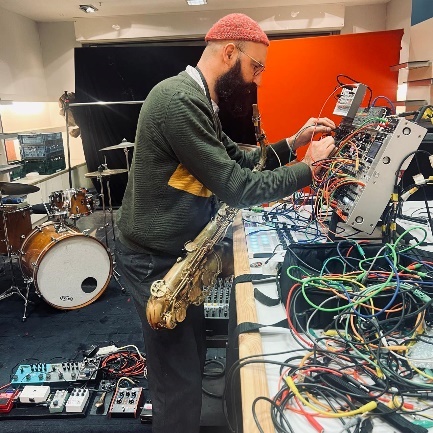
- Concerts: Equipped concert hall for live performances, recordings, rehearsals
- Artist workshops: Creation spaces for visual artists, designers, craftspeople
- Exhibition spaces: Temporary galleries for openings and installations
- Co-working offices: Shared workspaces for cultural entrepreneurs
- Residencies: Artist hosting for in-situ creations
2. COACHING: Individualized Support
Creative District offers support adapted to each project holder’s needs:
- Strategic advice: project structuring, business model, planning
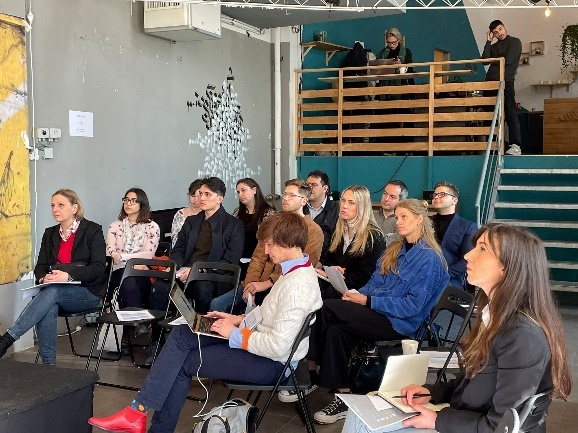
- Practical training: event management, digital communication, fundraising
- Mentoring: connection with established cultural sector professionals
- Logistical support: material, technical, administrative help for events
3. NETWORK: Opportunities and Visibility
Tag Brussels creates concrete visibility and connection opportunities:
- Public programming: concerts, openings, performances giving media exposure
- Peer networking: connections between complementary creatives for collaborations
- Professional connections: introductions with programmers, producers, buyers, media
- Online communities: 6K+ members on social networks (Tag Brussels, mOtown, uBuntuLoft)
IMPACT
Qualitative Impact: What 15 Years of Experimentation Reveal
1. Proven Viability of Self-Funded Model
Tag Brussels demonstrates that a creative support project can function without continuous public subsidies, through an economic model based on own revenues. This financial independence guarantees resilience, flexibility, and sustainability beyond institutional funding cycles.
Value for other territories: Replicable model for cities seeking to activate underused spaces without dedicated budget, or cultural organizations wanting to reduce subsidy dependence.
2. Verifiable Success Stories
Tag Brussels served as launchpad for many creatives who then structured their professional activity:
- Jenny Bosengue: Artist who began her career at Tag Brussels, today recognized in Brussels cultural ecosystem
- Angelo Moustapha, Mc Ghiizmo: Musicians who professionalized their practice via mOtown.concerts and structured their careers
- 20+ creative collectives: Structured groups emerged from Tag Brussels and continuing their activities autonomously
3. Measurable Territorial Revitalization
Place Rogier, initially perceived as unattractive transit space, became recognized cultural destination thanks to Tag Brussels’ continuous programming. Observable territorial impact:
- Increased attendance: 500+ events attracting diverse audiences
- Media visibility: press coverage, documentaries, institutional recognition
- Economic dynamism: creative activities generating jobs, revenues, and neighborhood attractiveness
4. Diversity and Inclusion
Tag Brussels welcomes remarkable diversity of profiles, disciplines, and origins – reflecting Brussels’ multicultural richness. 75% of supported individuals are youth (18-35 years), but the project remains open to all generations, creating enriching intergenerational dynamics.
5. Resilience and Adaptability
Tag Brussels’ capacity to span 15 years (including 2012-2017 interruption and COVID-19 crisis) while maintaining dynamism and relevance demonstrates the model’s robustness. The organic and adaptive approach allows continuous adjustment of practices to changing realities.
Lessons Learned
15 Years of Grassroots Experimentation
What Experience Confirms
- Holistic support makes the difference: Space + coaching + network creates far more value than simple space provision. It’s the intangible (advice, connections, opportunities) that truly catalyzes professionalization.
- Self-financing guarantees autonomy and sustainability: Not depending on public subsidies allows steering the project according to own values, freely experimenting, and surviving political cycles.
- Tailored approach is more effective than standardized methodologies: Each creative has specific needs. Individualized adaptation generates more impact than a rigid program.
- Disciplinary diversity enriches the ecosystem: Mixing musicians, visual artists, designers, cultural entrepreneurs creates unlikely collaborations and innovative hybrid projects.
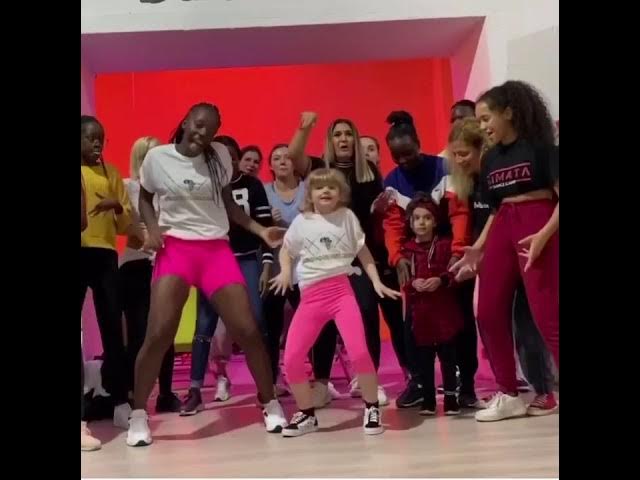
- Community builds through rituals and recurring events: Regular concerts, openings, Ubuntu sessions create sense of belonging and collective dynamics.
Identified Structural Challenges
- Natural turnover: When creatives succeed and professionalize, they leave Tag Brussels for autonomous structures – this is the model’s success, but requires constant ecosystem renewal.
- Fragile financial balance: Self-funded model viable but demanding – requires rigorous management, revenue diversification, and responsiveness to contingencies (COVID crisis, demand fluctuations).
- Formalization vs spontaneity: Tension between need to structure methodologies (for capitalization/replication) and preserving the organic approach that makes the model successful.
Recommendations for Replication
For cities or organizations wishing to replicate a similar creative occupation model:
- Accept iterative approach: Don’t seek immediate perfection. Start “raw,” experiment, continuously adjust.
- Invest in support, not just infrastructure: Budget human time for coaching, facilitation, animation – that’s where value is created.
- Build economic model from the start: Think self-financing (or hybrid) rather than subsidy dependence, to guarantee resilience.
- Foster diversity and openness: Welcome broad spectrum of disciplines, profiles, generations – avoid homogeneity that impoverishes the ecosystem.
- Create community rituals: Recurring events, traditions, visual identity – elements that build sense of belonging.
Sustainability and Perspectives
Model Sustainability
After 15 years of existence (including 2012-2017 interruption), Tag Brussels demonstrated its approach’s long-term viability. The self-funded model, though demanding, guarantees independence and capacity to navigate crises and political changes.
Sustainability challenges: Further diversify revenues (patronage, private partnerships), slightly structure model to facilitate transmission (methodology documentation), train new facilitators to ensure continuity.
Next Steps
- Methodological capitalization: Document 15 years of learnings to create guides, toolkits, trainings for other territories/organizations
- Model dissemination: Support Tag Brussels approach replication in other Brussels neighborhoods or Belgian/European cities
- Strengthen training dimension: Structure workshop/training offering for emerging creatives, potentially certified
- Develop international partnerships: Integrate Tag Brussels into European networks of independent creative spaces for practice sharing